Home siding is the protective skin that wraps a house, keeping out moisture, wind, and pests while shaping the visual identity of the property. If you’re wondering which material delivers the best blend of durability, energy efficiency, and curb appeal, the answer lies in matching your climate, budget, and style preferences with the right exterior cladding solution.
What Exactly Is Home Siding?
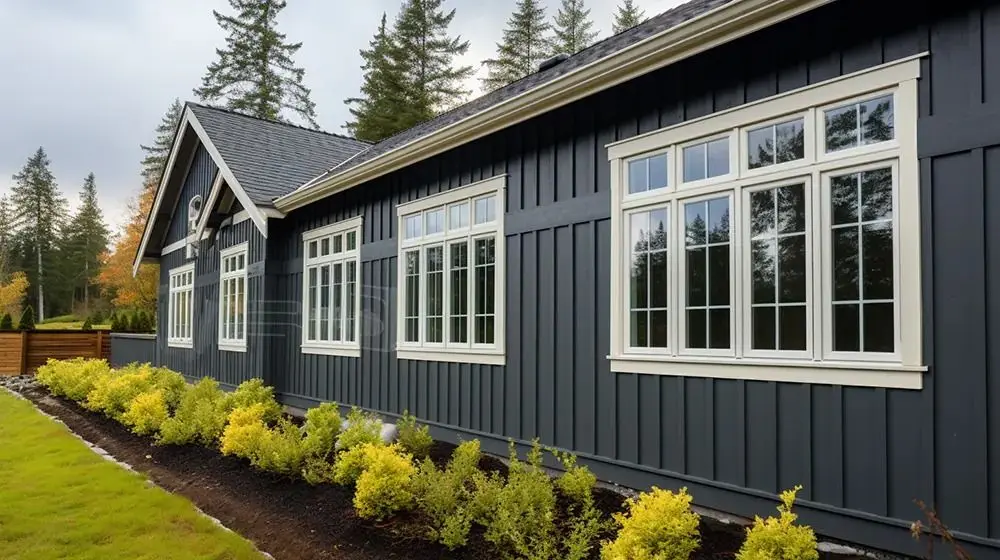
In the construction world, “home siding” refers to any material applied to the exterior walls of a building. It serves three core purposes: weather resistance, insulation support, and aesthetic enhancement. Modern siding systems also contribute to energy savings by reducing thermal transfer, a benefit highlighted in the 2026 U.S. Department of Energy report on residential envelope performance.
Popular Siding Materials in 2026
Homeowners now have a menu of options, each with distinct pros and cons. Below is a snapshot of the most common choices and how they compare on durability, maintenance, and cost.
Table of Contents
- What Exactly Is Home Siding?
- Popular Siding Materials in 2026
- Vinyl Siding
- Fiber‑Cement (Hardie Plank & James Hardie)
- Metal and Aluminum Siding
- LP SmartSide
- How to Choose the Right Siding for Your Home
- Installation: What Homeowners Should Expect
- 1. Preparation and Inspection
- 2. Flashing and Trim Installation
- 3. Panel Attachment
- 4. Finishing Touches
- Cost Breakdown and Long‑Term Value
- Common Mistakes Homeowners Make
- FAQs About Home Siding
- What is the best siding for energy efficiency?
- How often should siding be inspected?
- Can I install siding myself?
- Is siding recyclable?
- Future Trends: What to Expect in 2027 and Beyond
- Final Thoughts
Vinyl Siding
Vinyl remains the most affordable option, averaging $3‑$7 per square foot installed in 2026 according to the National Association of Home Builders (NAHB). It’s low‑maintenance, resistant to rot, and offers a wide color palette. However, it can become brittle in extreme cold and may fade under prolonged UV exposure.
Fiber‑Cement (Hardie Plank & James Hardie)
Fiber‑cement siding, such as Hardie Plank and James Hardie, blends cement, sand, and cellulose fibers to create a material that mimics wood grain while resisting termites and fire. The 2026 Hardie Plank guide notes a lifespan of 30‑50 years and a price range of $8‑$12 per square foot.
Metal and Aluminum Siding
Metal siding, including aluminum variants, offers unparalleled weather resistance and a sleek, modern look. According to the Metal Siding 2026 guide, steel and aluminum panels can last 40‑60 years with minimal upkeep, and they excel in reflecting solar heat, which improves indoor comfort in hot climates.
LP SmartSide
Engineered wood products like LP SmartSide combine wood fibers with resin polymers for enhanced durability. The 2026 guide on LP SmartSide reports a warranty of up to 30 years and resistance to moisture when properly sealed.
How to Choose the Right Siding for Your Home
Choosing the right home siding involves evaluating three key factors: climate, budget, and desired aesthetic.
- Climate considerations: In humid regions, moisture‑resistant options like fiber‑cement or metal are ideal. In arid zones, vinyl’s low cost and ease of installation shine.
- Budget constraints: Allocate roughly 5‑7% of your total renovation budget to siding. Remember to include labor, trim, and potential waterproofing.
- Style goals: If you crave a classic farmhouse look, consider Hardie Plank. For a contemporary vibe, sleek metal or aluminum panels make a strong statement.
Installation: What Homeowners Should Expect
A proper installation is as critical as the material itself. Poorly installed siding can lead to water infiltration, mold growth, and reduced energy performance. Below is a step‑by‑step overview that aligns with the International Residential Code (IRC) 2025 edition.
1. Preparation and Inspection
Contractors first remove existing cladding, inspect sheathing, and repair any damaged studs. Installing a water‑resistive barrier (WRB) such as house wrap is mandatory for moisture control.
2. Flashing and Trim Installation
Flashing around windows, doors, and rooflines prevents leaks. The Gutter Leaf Guard Guide emphasizes that proper flashing works hand‑in‑hand with gutter systems to direct water away from the siding surface.
3. Panel Attachment
Depending on the material, panels are either nailed, screwed, or clipped into place. Metal siding often uses concealed fasteners, while vinyl relies on a nail gun with staggered spacing to allow for expansion.
4. Finishing Touches
After the panels, installers add corner posts, soffit, and any decorative trim. A final caulking step seals joints and ensures a weather‑tight envelope.
Cost Breakdown and Long‑Term Value
Understanding the full cost structure helps avoid surprise expenses. Below is a 2026 cost snapshot adjusted for regional labor variations.
| Material | Material Cost (per sq. ft.) | Installation Cost (per sq. ft.) | Estimated Lifespan |
|---|---|---|---|
| Vinyl | $3‑$7 | $2‑$3 | 20‑30 years |
| Fiber‑Cement (Hardie) | $8‑$12 | $4‑$6 | 30‑50 years |
| Metal (Steel/Aluminum) | $9‑$15 | $5‑$8 | 40‑60 years |
| LP SmartSide | $7‑$10 | $3‑$5 | 25‑30 years |
While metal and fiber‑cement demand higher upfront investment, their extended lifespan and low maintenance translate to a lower total cost of ownership over three decades, a finding supported by the 2026 HomeAdvisor lifecycle cost analysis.
Common Mistakes Homeowners Make
Even seasoned DIYers can fall into pitfalls that compromise siding performance.
- Skipping the WRB: Without a proper water‑resistive barrier, moisture can seep behind the siding, leading to rot.
- Improper fastener spacing: Over‑driving nails can crush panels, while under‑spacing creates gaps that allow water infiltration.
- Neglecting expansion gaps: Vinyl and some metal panels expand with heat; failing to leave a ¼‑inch gap can cause buckling.
- Choosing the cheapest paint: If you plan to paint wood or fiber‑cement siding, low‑quality paint will peel faster and expose the substrate.
FAQs About Home Siding
What is the best siding for energy efficiency?
Fiber‑cement and metal siding typically outperform vinyl in thermal performance due to higher R‑values and reflective properties. Adding insulated sheathing can boost overall efficiency by up to 15%, according to the 2026 DOE study.
How often should siding be inspected?
Professional inspections are recommended every 3‑5 years, with a focus on seams, flashing, and signs of moisture.
Can I install siding myself?
DIY installation is feasible for vinyl and some metal panels, but complex systems like Hardie Plank often require certified installers to maintain warranty validity.
Is siding recyclable?
Metal and aluminum siding are 100% recyclable, while vinyl can be down‑cycled. Fiber‑cement is inert and can be disposed of in landfills without hazardous concerns.
Future Trends: What to Expect in 2027 and Beyond
The siding market is evolving toward smart, sustainable solutions. Emerging trends include:
- Integrated solar panels: Thin‑film photovoltaic layers can be laminated onto metal siding, turning the building envelope into a power generator.
- Self‑cleaning coatings: Nano‑technology finishes repel dirt and reduce maintenance cycles.
- Recycled content: Manufacturers are boosting post‑consumer recycled fibers in fiber‑cement products, aiming for a 30% reduction in carbon footprint by 2030.
Staying informed about these innovations ensures your home remains both attractive and future‑proof.
Final Thoughts
Choosing the right home siding is a balance of performance, aesthetics, and long‑term value. Whether you opt for the budget‑friendly versatility of vinyl, the timeless resilience of Hardie Plank, or the modern sleekness of metal, a well‑installed system protects your investment for decades. Remember to factor in climate‑specific requirements, proper installation practices, and future‑ready features to maximize both curb appeal and energy savings.
Ready to explore specific products? Check out our detailed guides on aluminum siding, vinyl siding, and other top choices to make an informed decision today.