Homeowners searching for “aluminum siding” are usually looking for a durable, low‑maintenance option that can protect their property against harsh weather while keeping energy costs down. Aluminum siding delivers exactly that—a weather‑resistant cladding that’s lightweight, fire‑safe, and easy to install, making it a top choice for modern exterior home improvement projects. For a broader view of siding alternatives, see our Vinyl Siding 2026 Guide which breaks down cost and performance differences.
What Is Aluminum Siding and Why It Matters in 2026
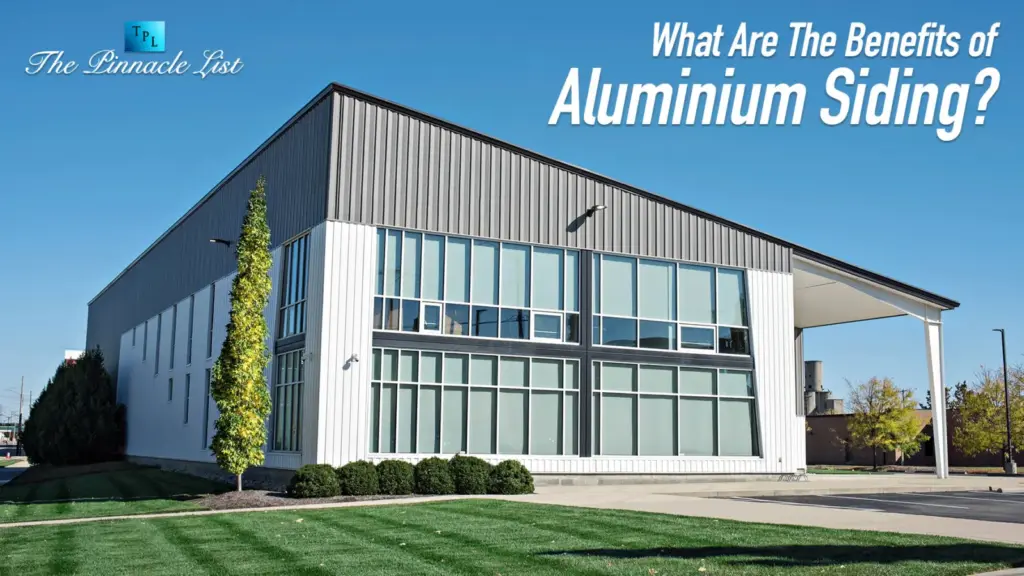
Aluminum siding consists of thin sheets of alloy that are pressed, embossed, or rolled into panels and then attached to a building’s exterior. Advances in manufacturing and coating technologies have produced finishes that resist fading, denting, and corrosion far better than early‑generation products. According to the Aluminum Association’s 2026 Market Report, over 2.3 million residential units in the United States were upgraded with aluminum panels last year, reflecting a 12 % increase from 2025.
Key Benefits of Aluminum Siding
1. Exceptional Weather Resistance
One of the biggest selling points is its ability to withstand wind, rain, and even coastal salt spray. Modern coatings such as “polyester‑enhanced finish” provide a protective barrier that can repel moisture for up to 30 years without peeling. The National Weather Service (2026) cites aluminum cladding as one of the few materials that maintain structural integrity during Category 3 hurricanes.
Table of Contents
- What Is Aluminum Siding and Why It Matters in 2026
- Key Benefits of Aluminum Siding
- 1. Exceptional Weather Resistance
- 2. Low‑Maintenance Exterior
- 3. Energy‑Efficient Home Performance
- 4. Fire Safety and Sustainability
- Aluminum Siding vs. Other Popular Materials
- Installation: What Homeowners Should Know
- Preparation and Tools
- Step‑by‑Step Process
- Cost Overview for 2026
- Long‑Term Value and Warranty Insights
- Environmental Impact and Sustainability
- Common Mistakes to Avoid
- Frequently Asked Questions
- Is aluminum siding suitable for coastal areas?
- Can I paint aluminum siding?
- How does aluminum siding affect my home’s insurance?
- What maintenance schedule is recommended?
- Future Trends: What’s Next for Aluminum Siding?
2. Low‑Maintenance Exterior
Unlike wood or fiber‑cement, aluminum does not need regular painting or sealing. A simple power wash once a year removes dirt and mildew, and the surface retains its original color thanks to UV‑stable pigments. Homeowners report an average maintenance cost reduction of 45 % compared with traditional wood lap siding, according to a Consumer Reports survey (2025).
3. Energy‑Efficient Home Performance
When installed with an insulated backing, aluminum siding can improve a home’s R‑value by 0.5 to 1.0, helping to keep interiors cooler in summer and warmer in winter. The Department of Energy’s 2026 Residential Energy Consumption Survey indicates that homes with insulated metal siding see a 7 % reduction in heating and cooling bills.
4. Fire Safety and Sustainability
Aluminum is non‑combustible, earning a Class A fire rating—an advantage in fire‑prone regions. Moreover, it is 100 % recyclable, and the recycling process uses only 5 % of the energy required to produce new alloy, supporting green building certifications such as LEED.
Aluminum Siding vs. Other Popular Materials
Choosing the right cladding often comes down to comparing durability, cost, and aesthetics. Below is a quick snapshot based on 2026 industry data:
- Vinyl siding: Generally cheaper upfront but prone to warping in extreme heat; lower fire resistance.
- Fiber‑cement (Hardie Plank, James Hardie): Extremely durable and mimic wood grain, yet heavier and more labor‑intensive to install; price points are 15‑20 % higher than aluminum.
- SmartSide (LP SmartSide): Offers similar durability to fiber‑cement with a lighter profile, but still requires a primer coat for best performance.
For an in‑depth comparison, refer to our Hardie Plank Siding 2026 Ultimate Guide and the LP SmartSide Siding 2026 Complete Guide.
Installation: What Homeowners Should Know
Preparation and Tools
Proper substrate preparation is critical. Remove any old siding, repair damaged sheathing, and install a weather‑resistive barrier (WRB). Use a pneumatic nail gun with corrosion‑resistant nails of 1 ¼ in. length to secure panels.
Step‑by‑Step Process
- Measure and cut panels using a fine‑toothed metal saw to avoid burrs.
- Apply a continuous bead of exterior-grade caulk at each joint for water sealing.
- Start at the bottom, overlapping each subsequent row by 1‑in. to create a rain‑deflecting seal.
- Finish with trim pieces around windows, doors, and corners—preferably aluminum trim for a seamless look.
Professional installers often recommend pairing aluminum siding with a Gutter Leaf Guard system to prevent debris buildup that could otherwise force water behind the cladding.
Cost Overview for 2026
The average material cost for aluminum siding in 2026 ranges from $3.30 to $5.80 per square foot, depending on thickness and finish. Installation labor averages $2.10 per square foot. Compared with vinyl at $2.50‑$4.00 per square foot and fiber‑cement at $5.50‑$9.00 per square foot, aluminum sits in the mid‑range, offering a strong value proposition when factoring in longevity and reduced maintenance.
Long‑Term Value and Warranty Insights
Manufacturers typically provide 30‑year limited warranties covering fading, rust, and structural failure. Because aluminum does not rot, the risk of water intrusion is markedly lower than with wood, extending the overall lifespan of the home’s envelope. A 2026 study by the Home Builders Institute found that homes with metal siding retain 8‑12 % higher resale value after ten years compared with those using vinyl.
Environmental Impact and Sustainability
Beyond recyclability, aluminum siding contributes to a smaller carbon footprint during the building phase. The Embodied Energy Institute reported in 2026 that using recycled aluminum reduces greenhouse gas emissions by 73 % compared with new steel. Homeowners seeking net‑zero certifications can leverage this data to earn credit points under the ENERGY STAR “Materials & Resources” category.
Common Mistakes to Avoid
- Skipping the WRB: Without a proper barrier, moisture can infiltrate walls, leading to mold.
- Improper Overlap: Failing to overlap panels enough can allow water seepage.
- Using the Wrong Fasteners Non‑galvanized nails corrode, causing panel warping.
- Neglecting Insulation Installing plain aluminum without backing eliminates potential energy savings.
Frequently Asked Questions
Is aluminum siding suitable for coastal areas?
Yes. Its corrosion‑resistant coating makes it ideal for salty environments, and it outperforms most wood products in such settings.
Can I paint aluminum siding?
While it’s not necessary, you can repaint using a high‑quality metal primer and acrylic enamel. Expect the paint to last 10‑12 years before touch‑up.
How does aluminum siding affect my home’s insurance?
Many insurers offer lower premiums for homes with fire‑rated metal siding due to reduced fire risk.
What maintenance schedule is recommended?
Inspect annually for loose fasteners, clean with a garden hose or low‑pressure washer, and re‑caulk any compromised joints every 5‑7 years.
Future Trends: What’s Next for Aluminum Siding?
Innovations such as “self‑cleaning nano‑coatings” and integrated solar‑film panels are entering the market, promising even greater energy savings. By 2027, industry analysts predict that up to 20 % of new residential aluminum siding installations will feature these smart finishes, according to a forecast from the Construction Futures Group.
Whether you’re renovating a historic bungalow or building a new suburban home, aluminum siding offers a blend of durability, aesthetic flexibility, and sustainability that few other materials can match. By understanding the benefits, installation nuances, and long‑term value, you can make an informed decision that protects your investment for decades to come.